
Leonardo da Vinci's lost masterpiece
- Tim Hasker
- Jan 22, 2020
- 2 min read
There is much to recommend in Milan, from the stunning Duomo to the eerily beautiful monumental cemetery, however, for the history lovers out there the Castle Museum in Castello Sforzesco is a must. Besides having a fascinating selection of historical and archaeological artefacts ranging from the Bronze Age to modern times the castle also boasts a room decorated by the renaissance master Leonardo da Vinci.
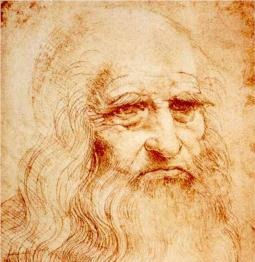
Leonardo da Vinci and the history of Milan are intertwined and the influence of this genius is everywhere, the extent of which I didn't fully appreciate until I visited. The most famous, of course, is his painting of the Last Supper, which unfortunately I didn't get to see on this visit because you have to book months in advance. He also worked on the designing a solution for the marble roof of the Duomo, which I did get to visit and is magnificent, there are 135 statues which adorn it - I spent most the time looking at them rather than the views of Milan.

One of da Vinci's main patrons in Milan was its ruler Ludovico Maria Sforza, who was Duke of Milan from 1494. He is most famous for commissioning Leonardo da Vinci to paint the Last Supper, however, he also tasked the maestro to decorate the tower room in the Castello Sforzesco. The Duke of Milan had a nickname of 'il Moro' (the Moor) which has two potential origins; his dark hair and complexion, and his planations of mulberry silk trees. It was these silk trees which were the inspiration for the design of the tower room.
Records from the time have been able to determine that Leonardo da Vinci had this tree and nature in mind for his design of the room. The tangled roots grow among the stratified rocks, in a unitary composition that starts realistically from ground level, developing upwards, with trunks and foliage interwoven on the vaulted ceiling. Unfortunately, following the Italian Wars King Louis XII invaded Milan in 1499, and the Duke was forced to flee to the safety of Innsbruck and the protection of the Holy Roman Emperor Maximilian. With the loss of his patron Leonardo da Vinci was forced to flee the city as well and his work on the tower room was never finished. Over the following centries, the original work would be lost as the room was desecrated and turned into barracks.

This is how the room remained until 1897 when a restoration of the castle revealed parts of the original design, extensive paint work renovation has been going on ever since to complete Leonardo's lost masterpiece. While there might be more famous pieces of da Vinci's work to see in Milan, I found this lost history fascinating as it connects Leonardo da Vinci to the reality of his context, it shows how he was impacted by the politics and events around him - this is a must see for anyone visiting Milan.


Comments